Free open-week read

Tax advisor Austin. Which week can still move?

Four taps. A preparer shows up after the week has closed.

One week still open on the calendar.

Question 1 of 4

What should the advisor name first?

Question 2 of 4

Which date still has time?

Question 3 of 4

Which paper is in your hand?

Question 4 of 4

Where should that talk happen?

Your free open-week read can start. Where should we reach you?

    You will be talking to the Steven Palmieri practice.

    Next you pick a time for a free video call with the Steven Palmieri practice. Nothing to sign, nothing to pay.

    Prefer to read first? It's all below ↓

    For owners in Austin

    Tax Advisor Austin before the year locks

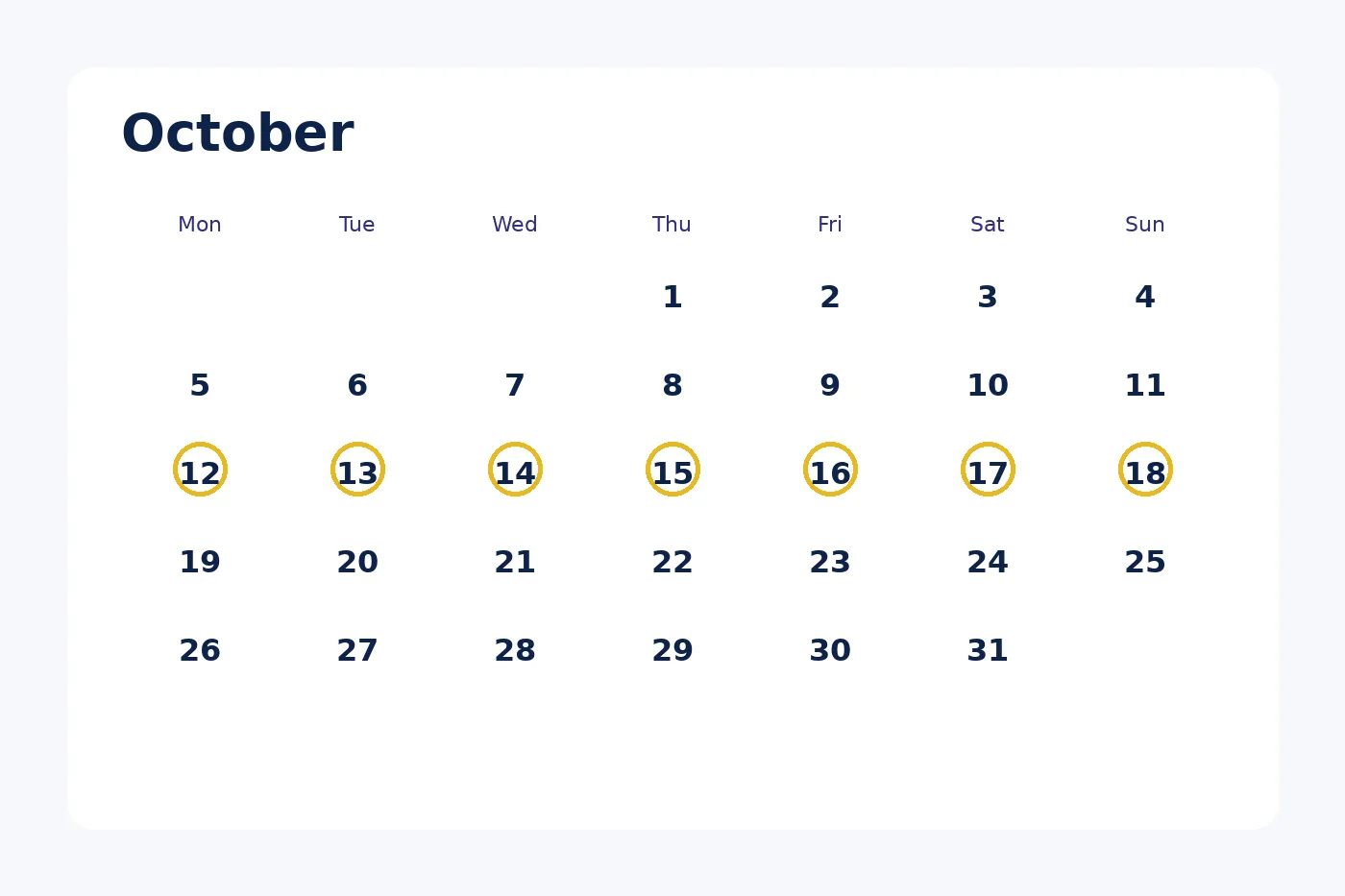
    It is October, and you can still change what this year will say on the return.

    Steven Palmieri, the Tax CFO, closes your months, sets payroll up with a provider you run, and tells you before December what the return will say and what can still change.

    Owners meet us by video, and one day each month is the close. We are all Texans.

    A year line locks in grey, then the open October week glows gold
    Start the yearOctober, with the week of the twelfth still open

    Ask about the year.

    Steven Palmieri, Tax CFO

    You will be talking to the Steven Palmieri practice. The practice is in Dallas.

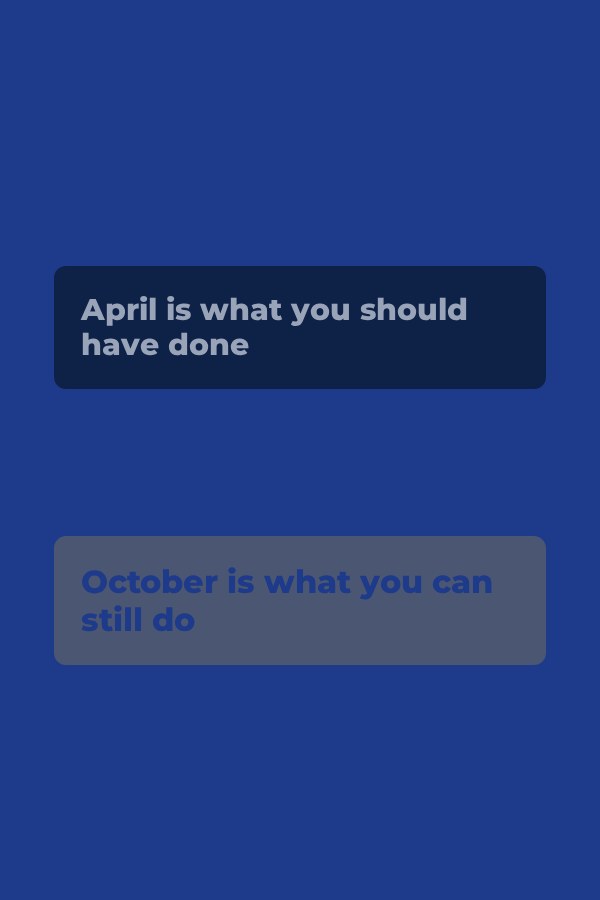
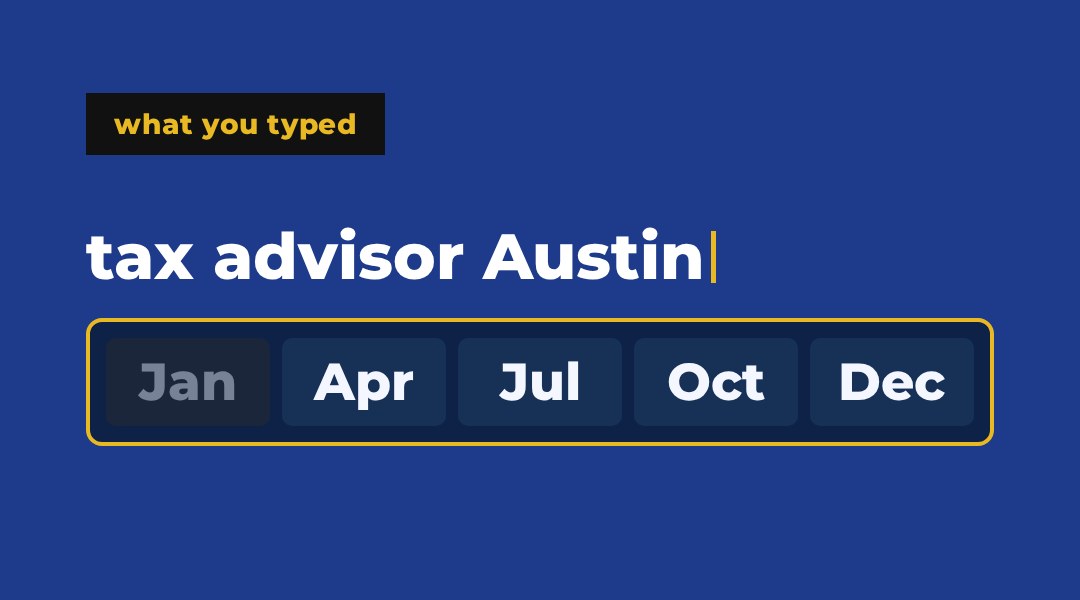
    April stays grey, and October rises in gold

    Six papers an owner in Austin may be holding

    Open the paper that matches the one on your counter.

    1. 1April bill

      April bill

      The April bill arrived with a penalty beside it. A spring balance that large usually means the estimates were never set, or withholding never caught up during the year.

      We look at last year's tax and this year's pace, then say whether a quarterly amount still belongs on the calendar.

    2. 2Late file

      Late file

      A notice says a return went in late. The letter is asking for the year it names and for a reason the file was late. The letter is not yet a verdict on the whole business.

      We gather the notice, the year, and what was already paid. Relief is a request after that, not a promise on this page.

    3. 3Sales date

      Sales date

      Sales tax is due again on the twentieth. In Austin the state piece, the city piece, and the transit piece can all sit on one sale. A weekend that fills the restaurants still has to be sorted before that date.

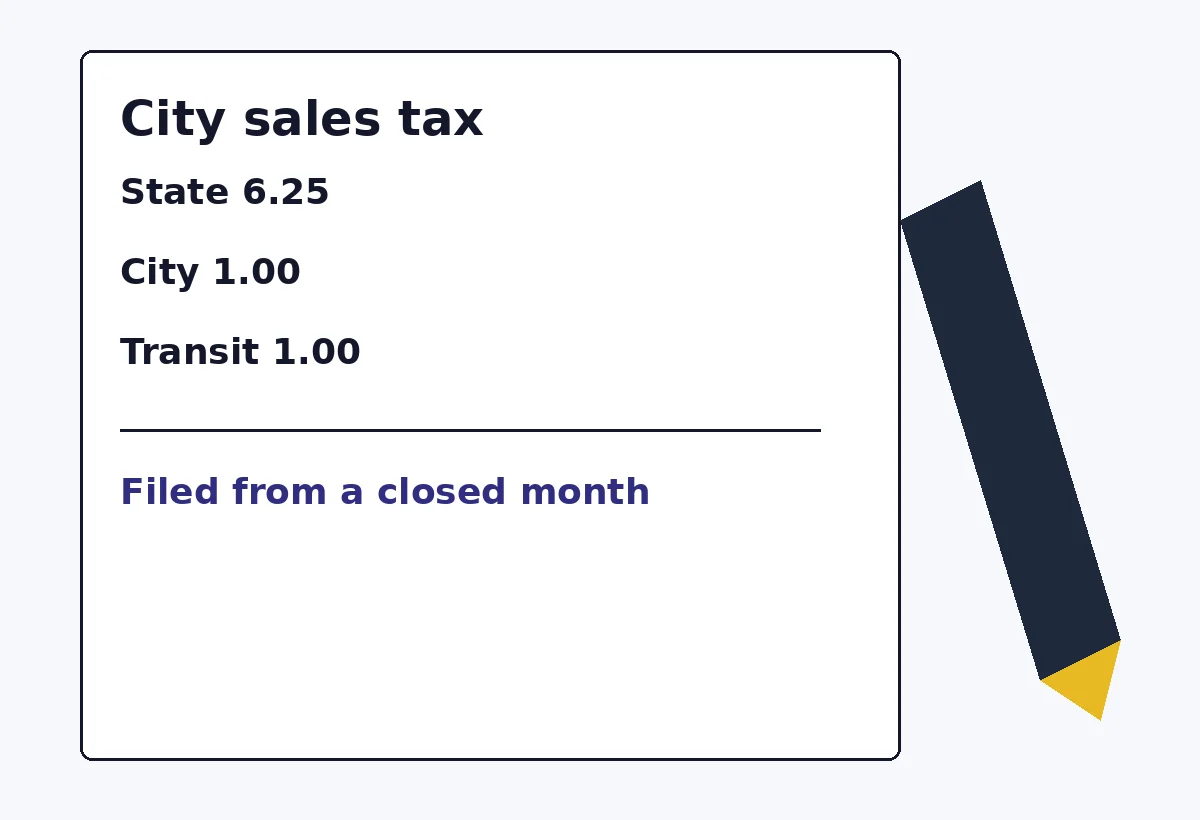
      Those city and transit rows are coded while the month is still open, so the twentieth is only the act of filing.

    4. 4May report

      May report

      Franchise tax for an entity here is filed in May, on the year printed on the form itself. Zero tax on that report does not always mean the report can be skipped. Retail and wholesale use one percentage. Other businesses use another. The report follows the year printed on it.

      That May filing stays beside the month being closed, and a federal return is not a stand-in for it.

    5. 5Audit ask

      Audit ask

      A lender letter asks for an audit signature. An audit signature sits outside the work this practice takes on. The monthly statements can still be prepared from a month the bank already agrees with.

      The first conversation names the limit, and the signature goes to a firm that can put its name on an opinion.

    6. 6Payday

      Payday

      Payday is waiting because no provider is set up. Setup is the part we do. The provider account carries the business name, not ours. After that, you run payday. After setup, each pay date runs without this practice standing on it.

      Tell us whether this is a first hire, a move off contractors, or a provider you already dislike.

    Open that notice.

    Steven Palmieri, Tax CFO

    Steven Palmieri, Tax CFO.

    The Entrepreneur's CFO. We read the year with you before it locks, and the return follows the months we already closed.

    Meet Steven
    Name the open month.

    Name the open month.

    Tell us which month is still open and what you want read before the year locks.

    Steven Palmieri, Tax CFO

    You will be talking to the Steven Palmieri practice. The practice is in Dallas.

    What the first month actually is.

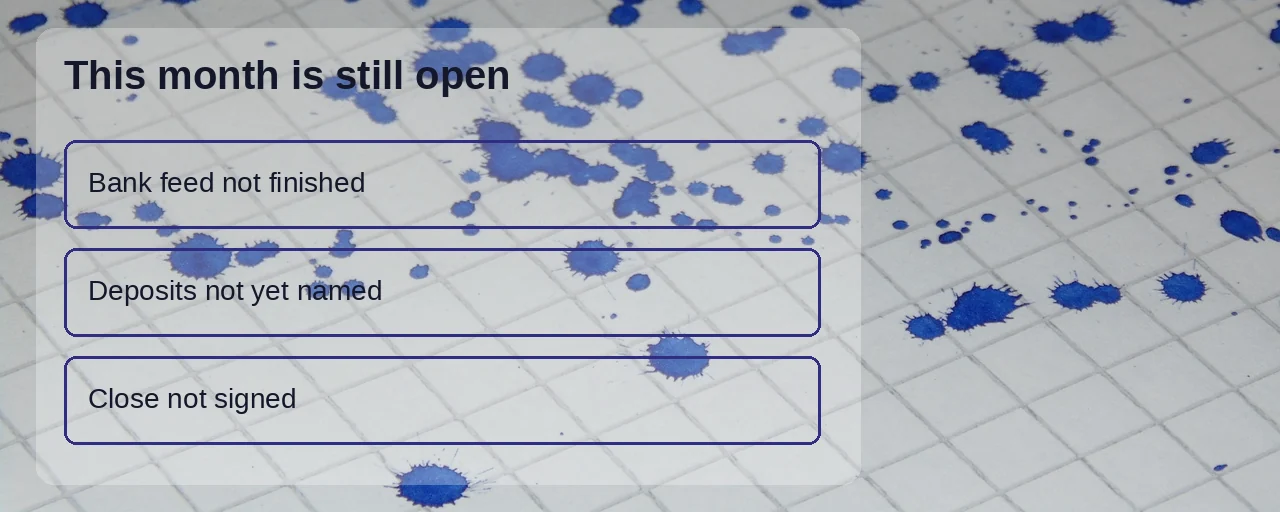
    A letter that wants a signature outside this practice gets that answer before anyone starts the month. A first month earns its keep when the bank feed and the books describe the same month.

    The local 2 percent splits evenly. The City of Austin gets 1 percent and Capital Metro, the transit authority the Comptroller lists as the Austin MTA, gets the other 1 percent. Both pieces have to be named in the books or the twentieth filing is short one of them.

    Work begins at the latest month the bank already accepts, never from a software menu. The open work begins where the bank and the books already tell one story, and only then moves to the following month. Uncleared items get a name. Cash the owner moves between accounts stays out of the sales total.

    Statements stay unsent until the bank and the books are telling one story. A lender can receive those statements. A signed opinion is a different request, and it is not one we fill.

    Price follows how far behind the books are and how many accounts have to be tied. A typical fee would describe someone else's backlog, so this page leaves the number off.

    Payroll setup, and who runs payday.

    If payday has no provider at all, standing that account up is the only task in the first week. Registrations, an account that carries the business name, and a map from the payroll reports into the books. After that opening, you run payday. Each later payday stays with you to send.

    The number of establishments in Travis County moved down over the year, while employment was up. Fewer registered businesses doing more work is a payroll question. We set payday up on a provider you run before we treat that shift as a tax answer. A shorter list of firms with more people on payday is not, by itself, a plan for the return.

    A move off contractors is a different conversation from a first hire. The reply names whether this is a first hire or a move off contractors. A pile of contractor checks is not a payroll, and we will not describe it as one.

    The return follows the months.

    April stops being a reconstruction once every month already matches the bank, because the return then has those months as its source. Spring is for filing a year already assembled, not for rebuilding it out of unopened statements. Estimates belong on the calendar during the year, so April is not the first time anyone sees the balance.

    Professional and business services is the largest job sector around the city. A service firm in that count still closes the same way we close any other month. The bank and the books have to tell one story before anyone talks about the return. A busy week can look finished and still leave a month the bank will not agree with, and that month is the one we close first.

    A penalty notice is a letter about a year, not a verdict on the business. We gather what it names. A penalty letter gets the records it names, and this page will not pretend the penalty shrank.

    A year that can still change.

    Some choices only exist while the year is open. Owner pay, a retirement amount, the timing of a large purchase, whether an entity election still has a window. We name the ones that still have a date, and we leave the ones that have already closed.

    Any dollar you might keep belongs to your own year, and that figure stays off a public page. An open week exists so the choice happens while the books are on the table, rather than turning up as a surprise when the return is prepared.

    Four city numbers, and the month they land in.

    Before the twentieth we write one city row. The rate on that row is 8.25 percent, with 6.25 percent going to the state and 2 percent staying local. The number comes from a month the bank already agrees with. We do not guess the local piece.